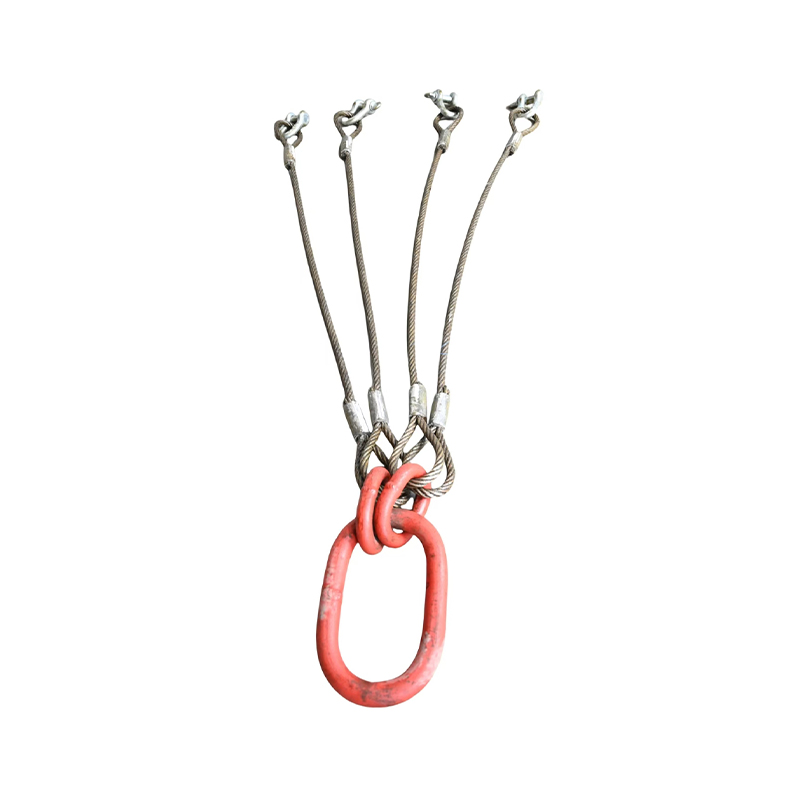

In heavy lifting operations, four-leg wire rope slings are widely used for lifting irregular or offset objects such as large equipment, precast components, and steel structures due to their high stability and wide applicability.
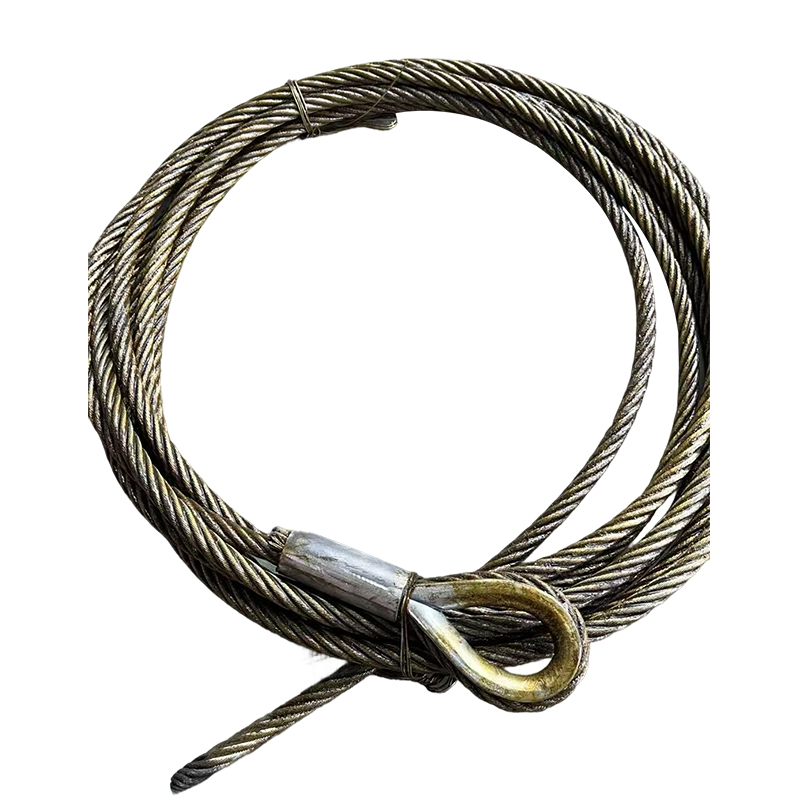
In ports, construction sites, mines, and even aerospace assembly lines, there is always a seemingly ordinary yet crucial force transmitter—the sling wire rope.
In engineering applications with extremely high safety requirements, such as hoisting, traction, cableways, and even elevators, the reliability of wire ropes directly affects the stability of equipment operation and the safety of personnel.
In high-risk work environments such as ports, construction sites, underground mines, and even aerospace, hoisting wire ropes often bear the burden of lifting loads weighing several tons or even hundreds of tons.
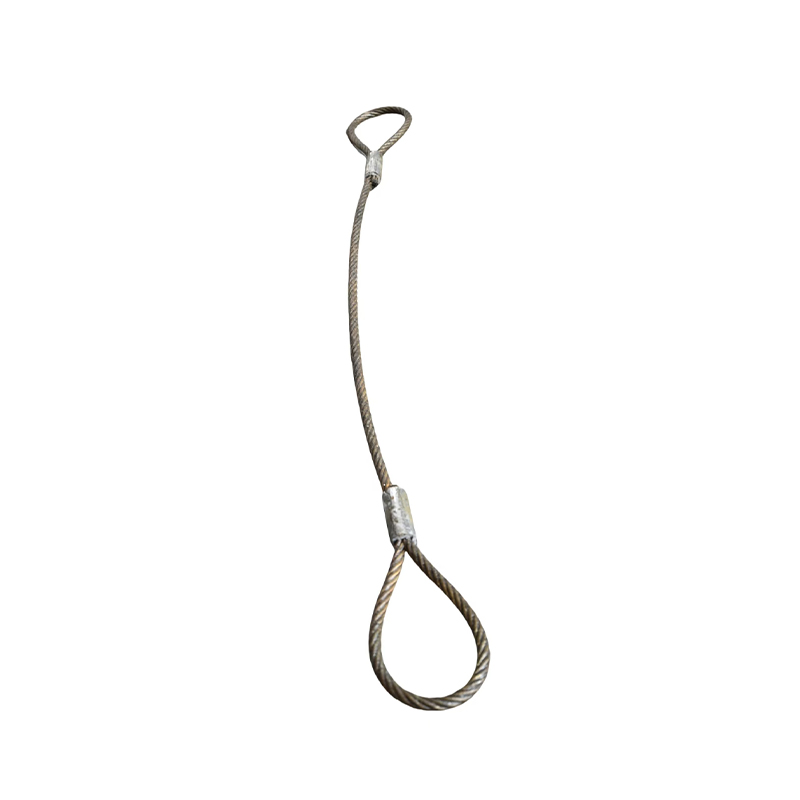
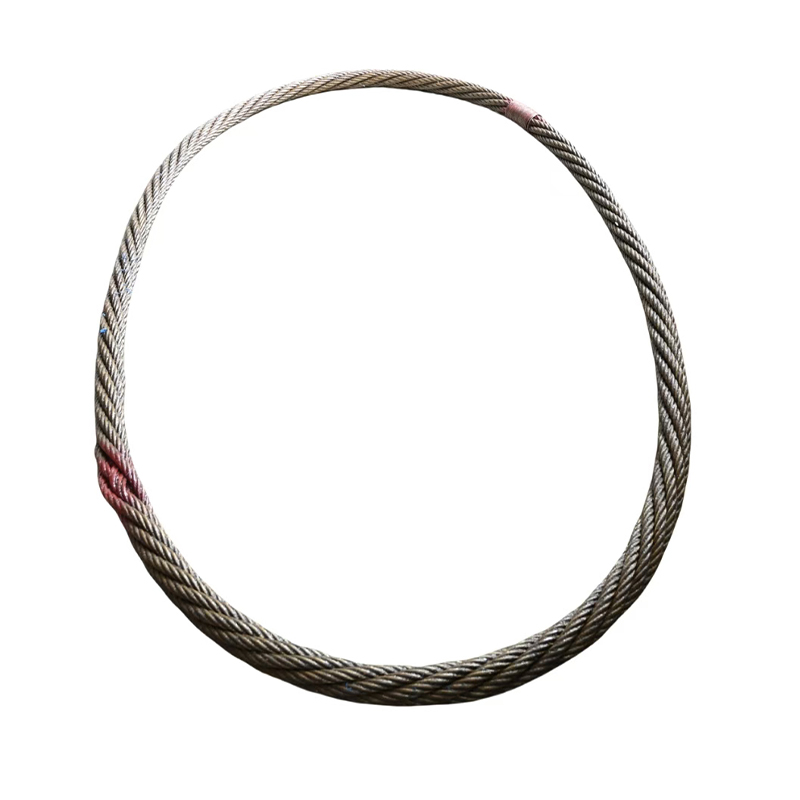
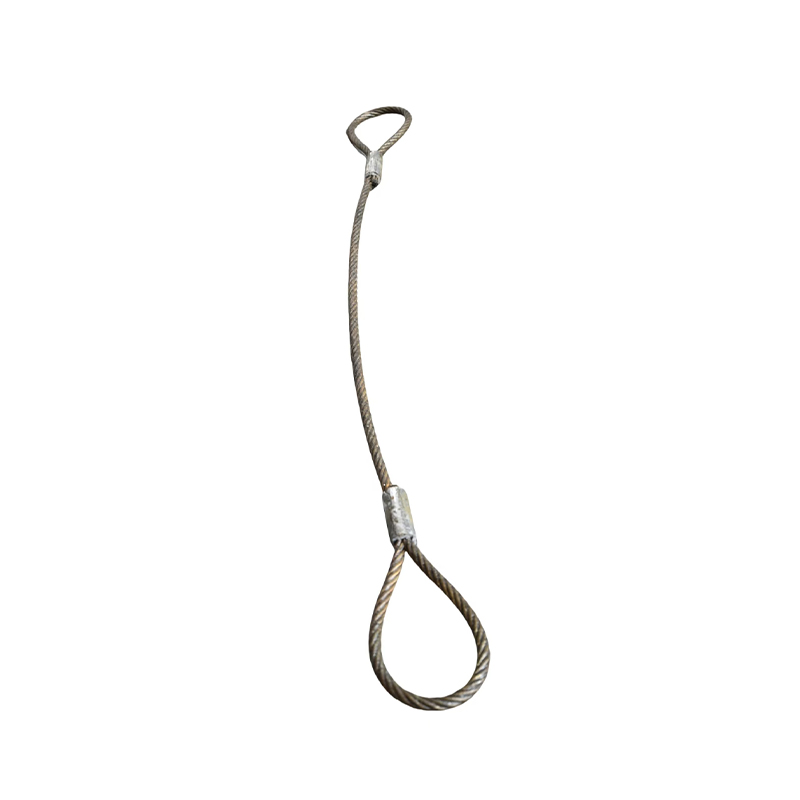
Splice slings, with their high strength, high abrasion resistance, and excellent impact resistance, have become the preferred choice for many demanding working conditions.
In heavy lifting operations, slings are not only the link between lifting equipment and the load, but also the lifeline ensuring the safety of the entire operation.