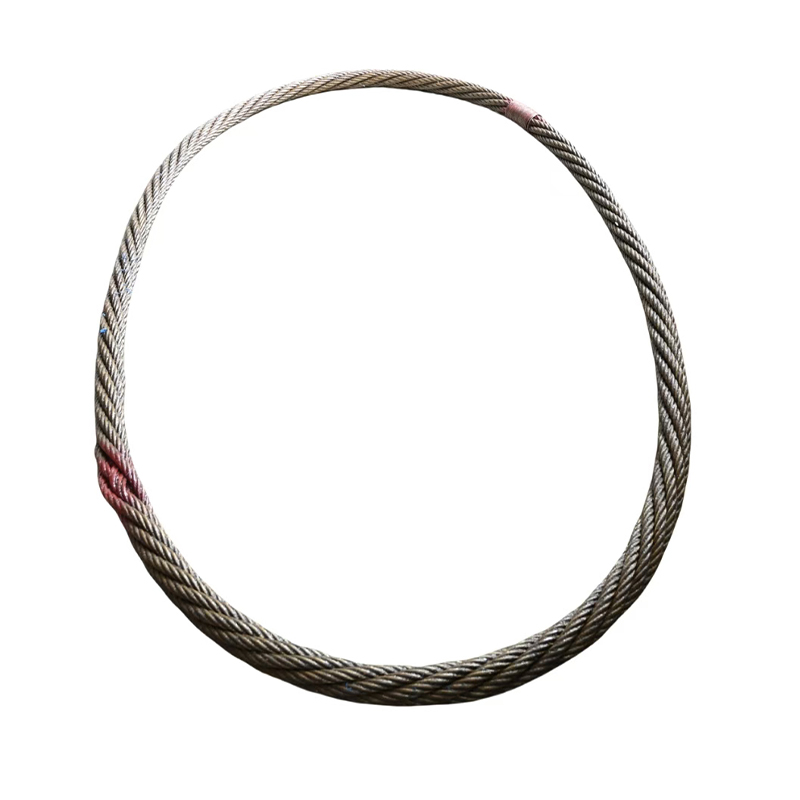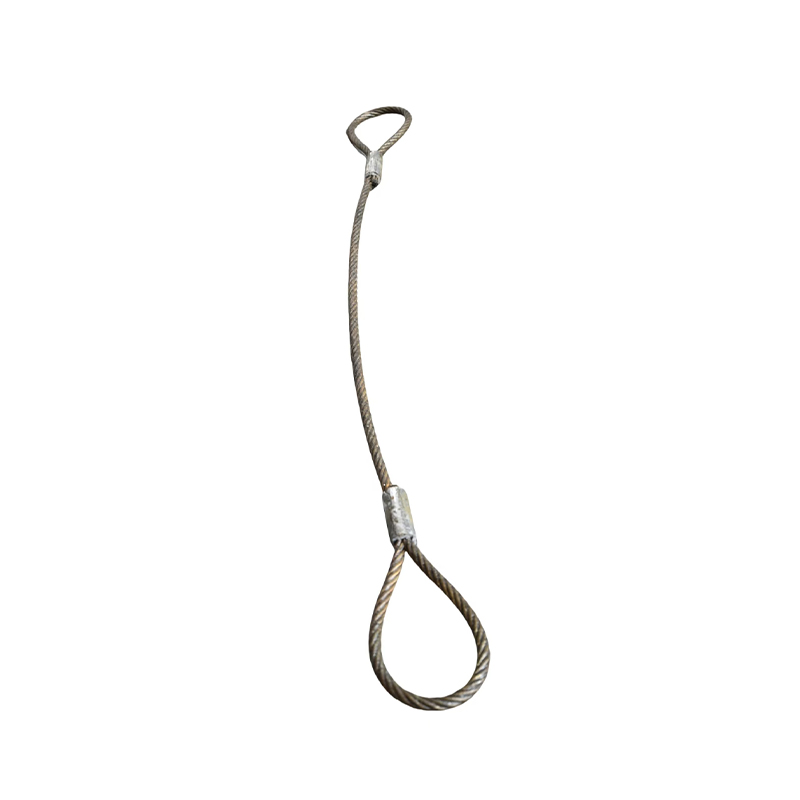

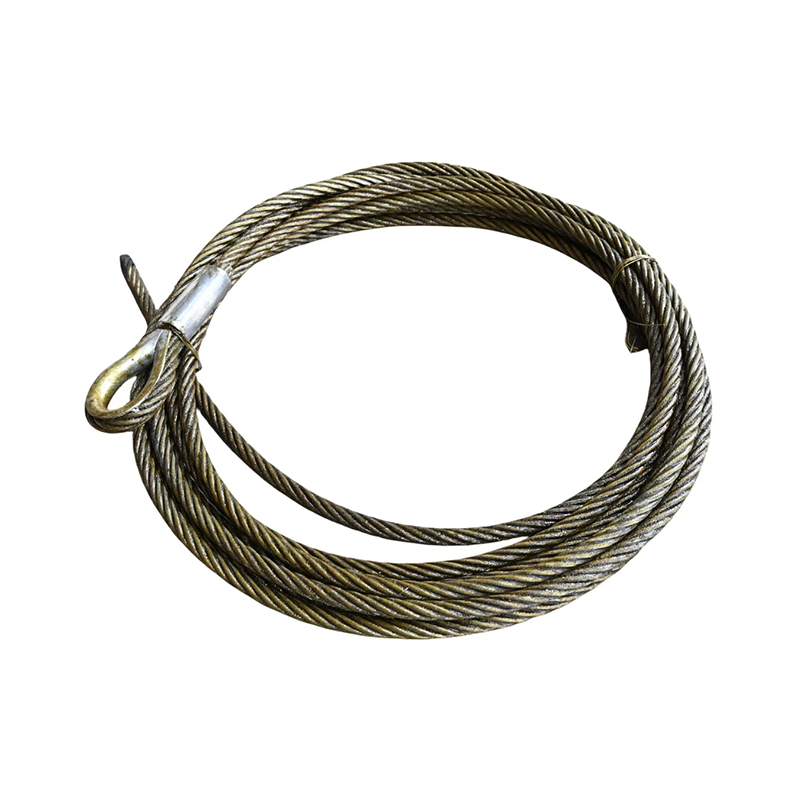
Wire rope without joints, due to its unique closed-loop structure, has been widely used in high-end hoisting applications in recent years. One of its core advantages is its ability to achieve a more even load distribution during lifting.
In heavy-duty operations such as port hoisting, mine hoisting, construction, and large equipment handling, hoisting wire rope is a critical component for protecting life and property.
In ports, construction sites, or deep mines, a seemingly ordinary hoisting wire rope often carries weights of several tons or even tens of tons.
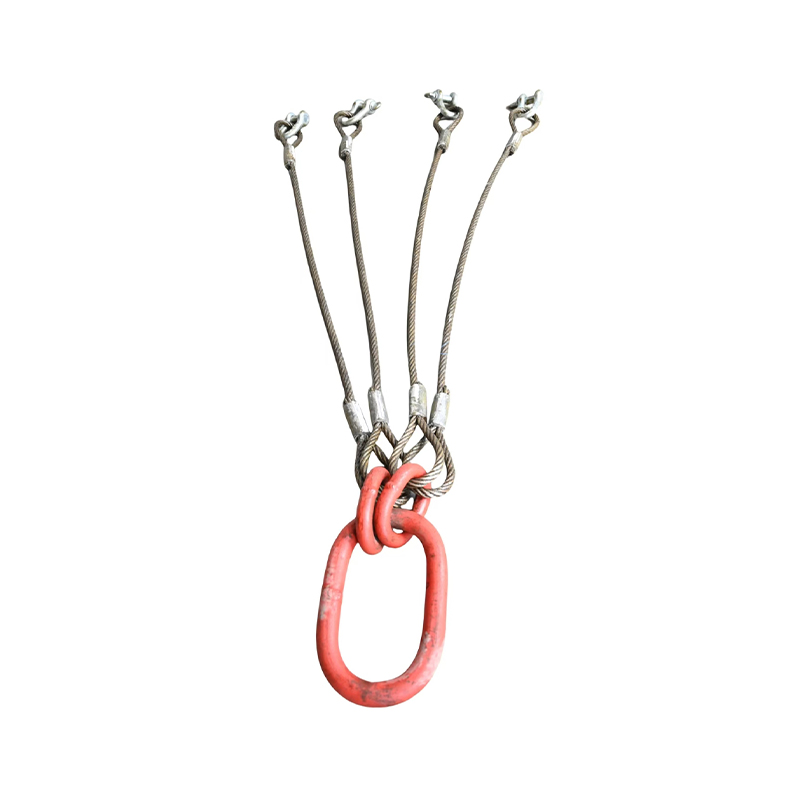
In heavy lifting operations, four-leg wire rope slings are widely used for lifting irregular or offset objects such as large equipment, precast components, and steel structures due to their high stability and wide applicability.
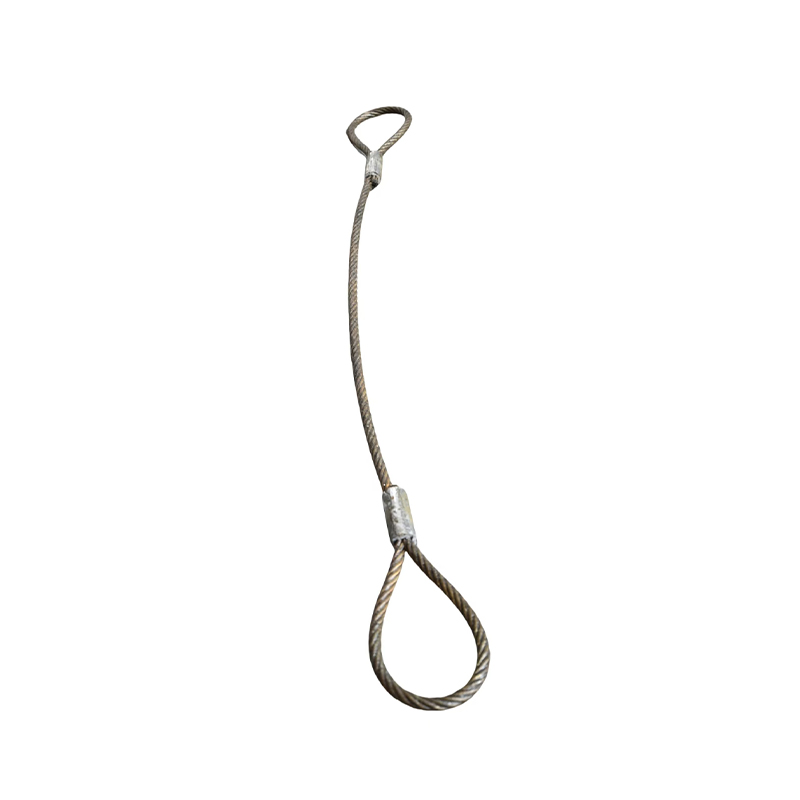
In ports, construction sites, mines, and even aerospace assembly lines, there is always a seemingly ordinary yet crucial force transmitter—the sling wire rope.
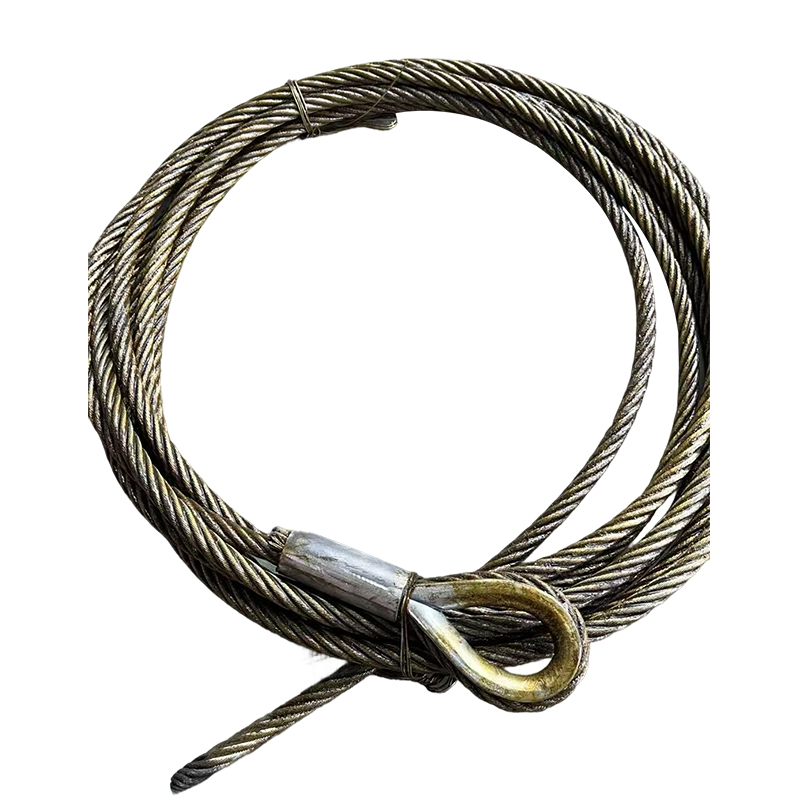
In engineering applications with extremely high safety requirements, such as hoisting, traction, cableways, and even elevators, the reliability of wire ropes directly affects the stability of equipment operation and the safety of personnel.