
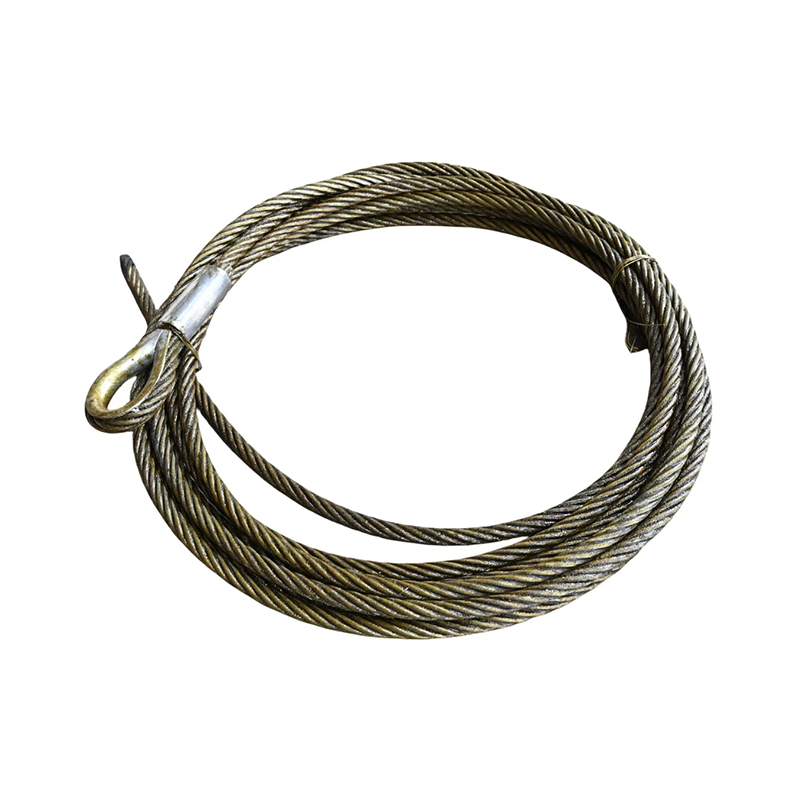
In the complex and high-stakes world of industrial lifting, the four-leg wire rope sling stands as a ubiquitous tool for hoisting heavy, rigid loads.
As a core load-bearing component in lifting operations, the tensile strength of steel wire rope is directly related to engineering safety and equipment lifespan.
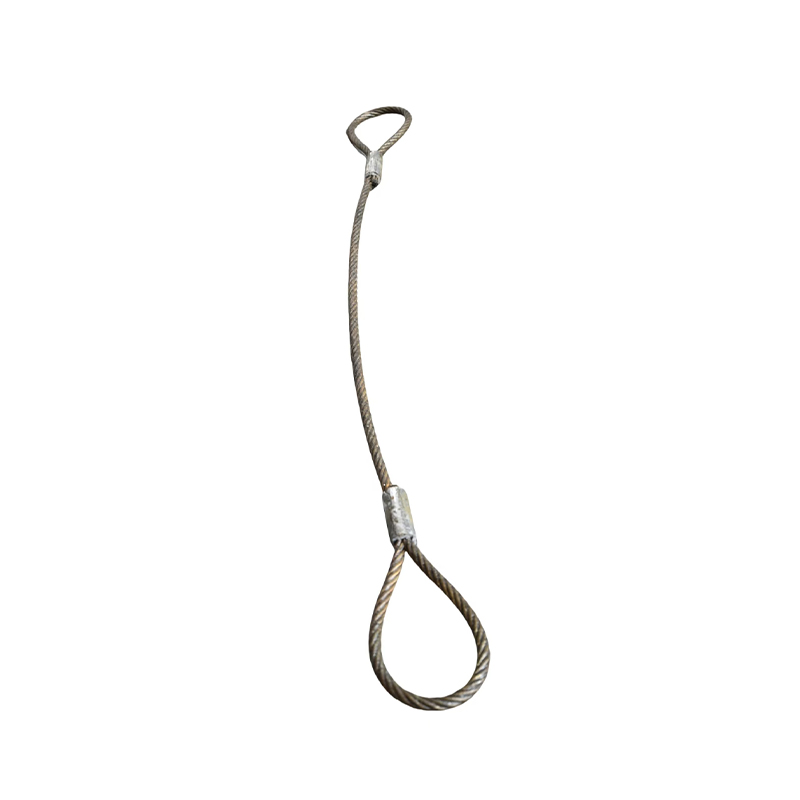
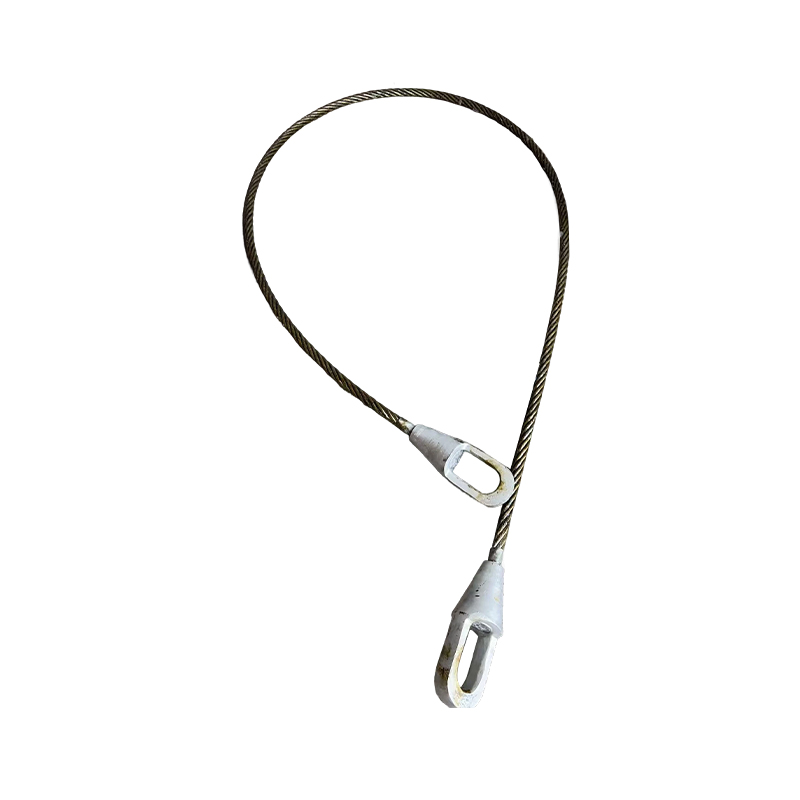
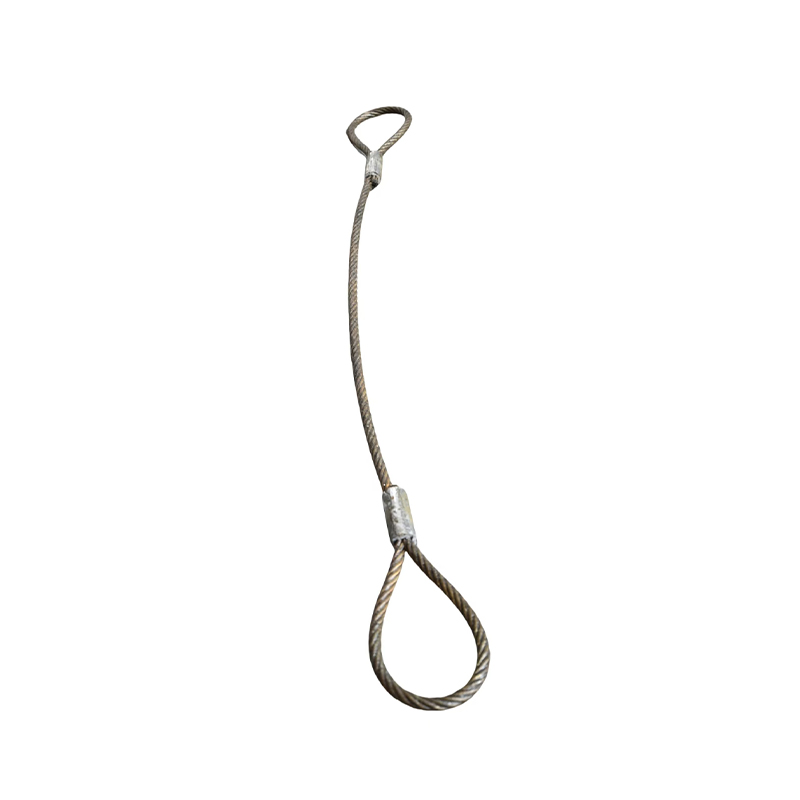
As the "lifeline" connecting heavy objects and lifting equipment, the end connection method of the sling wire rope directly determines the load-bearing limit of the entire system. Among many connection processes, crimping has become the preferred choice f
During repeated bending, the friction between the steel wires and between the steel wires and pulleys or drums generates high temperatures, which accelerates the decomposition of the lubricant and leads to direct metal-to-metal wear.
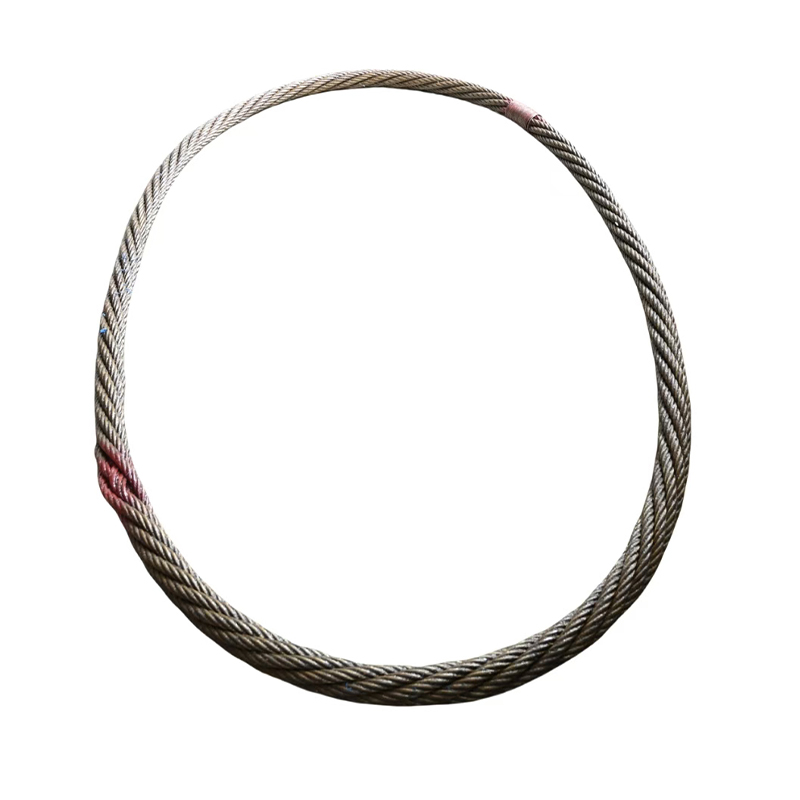
Wire rope without joints, due to its unique closed-loop structure, has been widely used in high-end hoisting applications in recent years. One of its core advantages is its ability to achieve a more even load distribution during lifting.
In heavy-duty operations such as port hoisting, mine hoisting, construction, and large equipment handling, hoisting wire rope is a critical component for protecting life and property.